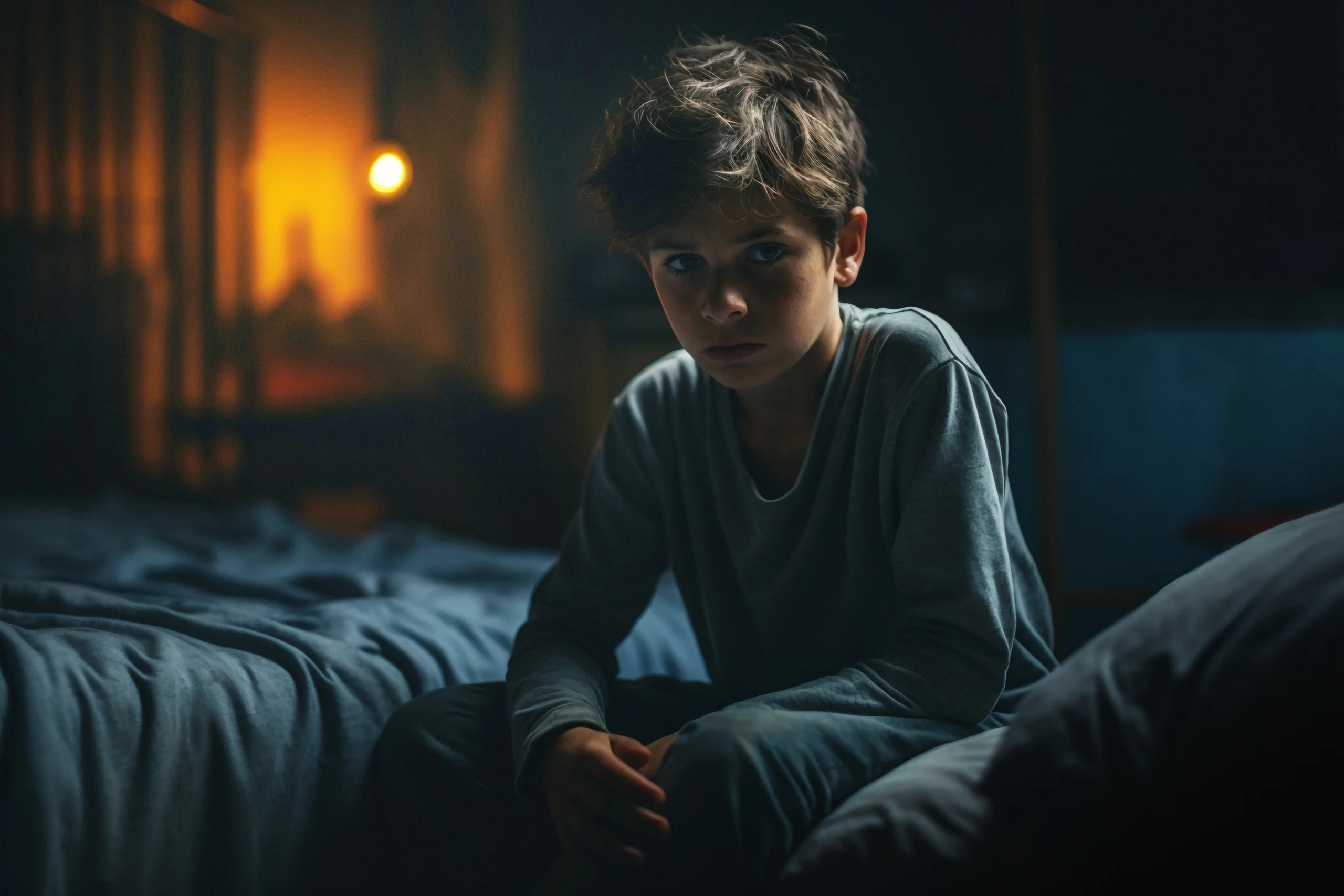
Waking up to find your child’s clothes or bedsheets damp with sweat can be worrying. One night, you may simply wonder if the room was too warm. But when it happens repeatedly, parents naturally start asking: Why is my child sweating so much at night? Is it normal? Could it be a sign of illness?
The good news is that child sweating at night is often harmless, especially when the child is otherwise active, eating well, growing normally and has no other concerning symptoms. Children may sweat because of a warm room, heavy blankets, tight nightwear, physical activity before bedtime or normal variations in body temperature.
However, persistent or drenching night sweats—particularly when they occur along with fever, prolonged cough, weight loss, poor appetite, unusual tiredness or swollen lymph nodes—deserve a pediatric evaluation. Night sweats can occasionally occur with infections and other medical conditions, so the complete clinical picture matters.
If you are searching for information about child sweating at night, this guide explains what parents should watch for and when it is time to speak with a pediatrician.
What Does “Night Sweating” Actually Mean?
Sweating is the body’s natural way of regulating temperature. It is completely normal for children to sweat during sleep, particularly if they are wearing warm clothes or sleeping under thick blankets.
The concern is different when a child experiences repeated, excessive sweating during sleep even when the room is comfortably cool.
Parents may notice:
- Wet hair or a sweaty scalp
- Damp pajamas
- Wet bedsheets
- Sweating around the neck or chest
- The child waking because they feel hot or uncomfortable
- Repeated episodes several nights a week
Occasional sweating by itself usually does not indicate a serious problem. Pediatric guidance notes that many children with night sweats are otherwise well and have no fever or other illness.
The important question is not simply, “Is my child sweating?”
It is:
“Is the sweating persistent, unusual for my child, and accompanied by other symptoms?”
Common Reasons for Child Sweating at Night
1. The Room Is Too Warm
This is one of the simplest explanations.
Children can become overheated if the bedroom is warm, poorly ventilated or humid. Heavy blankets, multiple layers of clothing and thick bedding can also cause sweating.
Before assuming there is a medical problem, check the child’s sleeping environment.
Try:
- Comfortable, breathable nightwear
- Lightweight bedding
- A comfortably ventilated room
- Avoiding excessive layers
- Checking whether your child feels hot rather than relying only on the room temperature
If the sweating disappears after making these changes, overheating may have been the main reason.
2. Too Many Layers While Sleeping
Parents sometimes bundle children up because they are worried that the child might feel cold during the night.
But excessive clothing or blankets can trap heat.
A child who wakes up sweaty but is otherwise completely well may simply be getting too warm.
3. Fever or an Infection
Sweating can happen when a child has a fever or is recovering from an infection.
Look for other symptoms such as:
- Fever
- Cough
- Runny nose
- Sore throat
- Reduced appetite
- Vomiting or diarrhea
- Unusual tiredness
- Body aches or discomfort
If your child is sweating at night while also experiencing persistent fever or other symptoms, don’t focus on the sweating alone. The underlying illness needs to be assessed.
4. Normal Variation in Temperature Regulation
Children’s bodies are constantly growing and adapting. Some children naturally sweat more than others, especially during sleep.
If the child is growing appropriately, remains energetic during the day, eats reasonably well and has no other concerning symptoms, occasional night sweating may not be a cause for alarm.
When Is Child Sweating at Night a Concern?
Persistent night sweating becomes more important when it appears alongside other changes in your child’s health.
Parents should arrange a pediatric consultation if the sweating is:
- Frequent or persistent
- Heavy enough to soak clothes or bedding
- Happening despite a comfortably cool sleeping environment
- Associated with fever
- Associated with unexplained weight loss
- Accompanied by poor appetite
- Associated with unusual tiredness or reduced activity
- Accompanied by a persistent cough
- Associated with swollen lymph nodes
- Affecting sleep or daytime activities
The combination matters.
For example, a child who occasionally sweats after sleeping under a heavy blanket is very different from a child who repeatedly wakes with soaked clothes and has persistent fever and weight loss.
The latter requires medical evaluation.
Child Sweating at Night and Fever: Should Parents Worry?
If your child is sweating because of a fever, check the temperature with a reliable thermometer rather than judging fever only by touch.
Pay attention to the child’s overall condition as well.
Ask yourself:
- Is the child alert and responsive?
- Are they drinking enough?
- Are they passing urine normally?
- Are they eating reasonably?
- Are they playing between episodes of illness?
- Is the fever persistent or repeatedly returning?
A child who is unusually sleepy, difficult to wake, struggling to breathe, severely dehydrated or otherwise very unwell needs prompt medical attention.
Can Night Sweats Be a Sign of Tuberculosis?
This is a question many parents in India understandably have when they hear about persistent night sweating.
Yes, night sweats can occur with active tuberculosis (TB), but sweating alone does not mean that a child has TB.
According to the CDC, symptoms of TB disease in children can include fever, cough, reduced activity or weakness, weight loss or failure to thrive, and night sweats.
Therefore, persistent night sweating becomes more concerning when it occurs together with symptoms such as:
- A prolonged cough
- Persistent or recurrent fever
- Unexplained weight loss
- Poor appetite
- Reduced energy or activity
- Enlarged lymph nodes
- Known contact with someone who has active TB
If these symptoms are present, a pediatrician may recommend an appropriate evaluation based on the child’s history, examination and risk factors. TB testing and other investigations are selected according to the child’s age and clinical situation.
Parents should not try to diagnose TB based on night sweats alone.
Could Snoring or Breathing Problems Cause Night Sweating?
Sometimes, nighttime sweating may occur in children who have breathing problems during sleep.
Pay attention if your child:
- Snores loudly most nights
- Breathes through the mouth while sleeping
- Seems to pause or struggle to breathe during sleep
- Sleeps in unusual positions to breathe comfortably
- Wakes frequently
- Is unusually sleepy during the day
- Has difficulty concentrating during the day
Persistent snoring or suspected sleep-related breathing problems deserve discussion with a pediatrician.
Night sweats are also included among symptoms that may occur with obstructive sleep apnea and other conditions, although sweating alone does not establish a diagnosis.
What Should Parents Do at Home?
If your child is otherwise healthy and the sweating is occasional, start with simple observations.
Check the sleeping environment
Make sure the room is comfortably ventilated and your child is not overdressed.
Choose breathable nightwear
Lightweight, comfortable clothing can help reduce overheating.
Keep a symptom diary
If sweating happens repeatedly, note:
- Date and time
- Whether clothes or bedding were soaked
- Room conditions
- Fever or temperature
- Cough or breathing symptoms
- Appetite
- Energy levels
- Weight changes
- Other unusual symptoms
This information can be surprisingly useful during a pediatric consultation.
Don’t start medicines without medical advice
Night sweating is a symptom, not a diagnosis. Giving antibiotics, supplements or other medicines without knowing the underlying cause is not appropriate.
When Should You Take Your Child to a Pediatrician?
Consider a pediatric consultation if child sweating at night continues despite making the sleeping environment comfortable.
Medical assessment becomes particularly important if your child also has:
Persistent fever: Repeated or ongoing fever should be evaluated rather than attributed to the sweating.
Weight loss or poor growth: Unexplained weight loss or failure to gain weight appropriately deserves attention. TB and other illnesses can sometimes cause weight loss or poor growth.
Persistent cough: A cough lasting several weeks, especially with fever, weight loss or night sweats, should be medically assessed.
Swollen lymph nodes: Most swollen lymph nodes in children are related to infections and are not serious. However, persistent swelling accompanied by night sweats, fever, weight loss, significant tiredness or appetite loss warrants medical attention.
Reduced activity: If your normally active child becomes unusually tired, less playful or weak, don’t ignore the change.
When Is Night Sweating an Emergency?
Night sweating itself is rarely an emergency.
However, seek urgent medical attention if sweating occurs alongside signs of serious illness such as:
- Difficulty breathing
- Blue or grey lips or skin
- Severe weakness or unusual drowsiness
- Difficulty waking the child
- Seizure
- Severe dehydration
- Persistent vomiting
- Severe chest pain
- A child who appears seriously unwell
In these situations, the concern is not the sweating itself but the associated symptoms.
Pediatric Care in Jaunpur
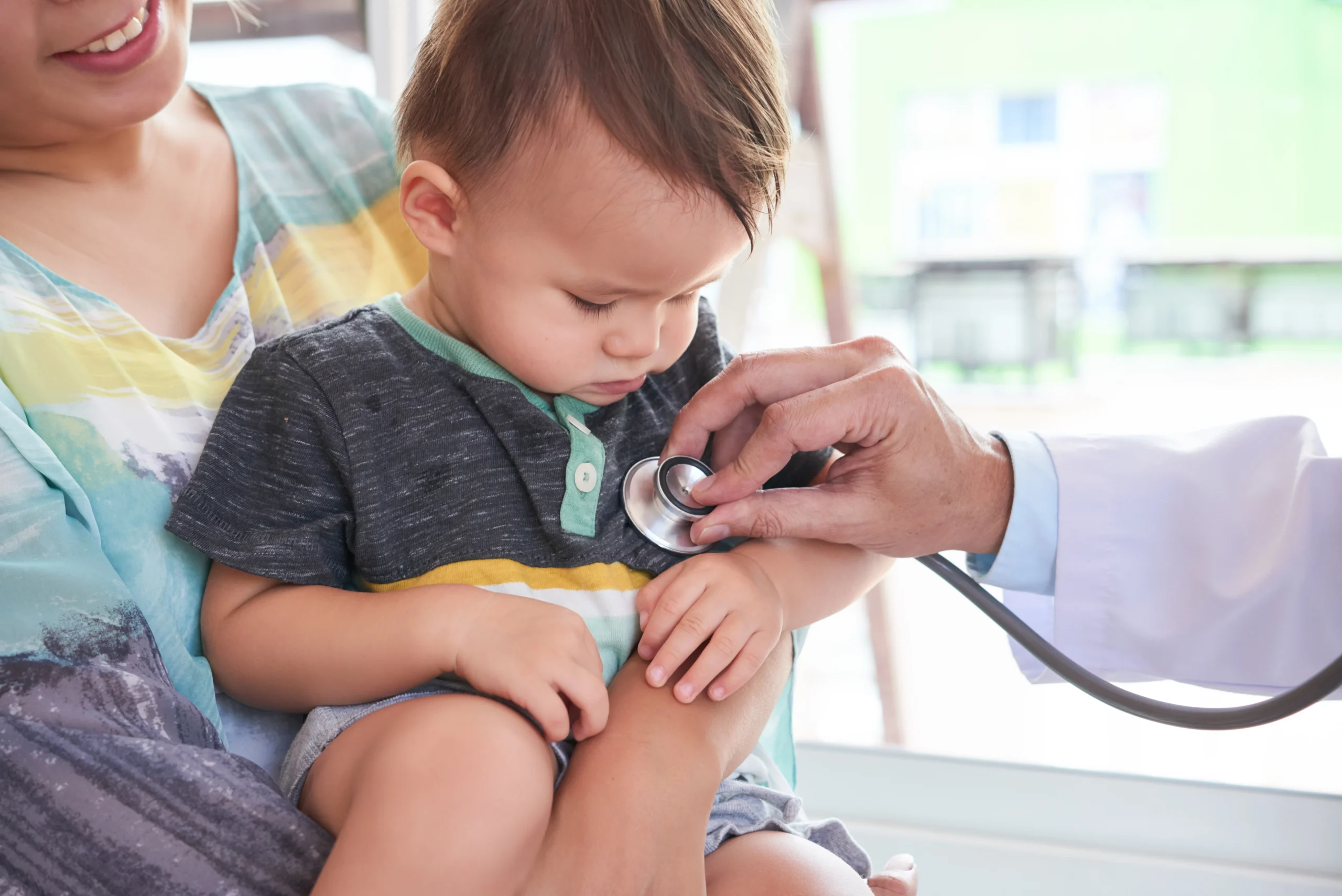
If your child repeatedly wakes up sweating and you are unsure whether it is simply environmental or something that needs investigation, a pediatric assessment can provide clarity.
Dr. Abhishek Mishra is an experienced pediatrician in Jaunpur with 20+ years of experience in child healthcare. He holds M.B.B.S., D.C.H., M.I.A.P. and P.G.P.N. from Boston University, USA, and has also served as a Senior Resident at SDN Hospital, New Delhi.
For parents searching for the best pediatrician in Jaunpur, Dr. Abhishek Mishra provides pediatric consultation at Om Sai Bal Chikitsalaya, where children can be evaluated for common illnesses, growth concerns, newborn health issues and other pediatric conditions.
The hospital is located at Ruhatta Polytechnic Chauraha – Olandganj Road, Jaunpur, Uttar Pradesh 222002, and provides pediatric care with 24/7 emergency support.
Parents from nearby areas such as Shahganj, Kerakat, Mariahu, Machlishahr, Badlapur and other parts of Jaunpur district can seek pediatric advice when persistent symptoms raise concern.
Final Takeaway
Child sweating at night is not automatically a reason to panic.
Sometimes, the explanation is simple—a warm room, heavy blanket or too many layers. But persistent, drenching night sweats deserve a closer look, particularly when your child also has fever, prolonged cough, weight loss, poor appetite, unusual tiredness or swollen lymph nodes.
Instead of trying to identify the disease from one symptom, look at the complete picture.
If your child’s nighttime sweating keeps happening or is accompanied by other changes in health, speak with a pediatrician. Early evaluation can help identify the cause and provide parents with a clearer, more appropriate treatment plan.
Frequently Asked Questions
1. Is child sweating at night always a sign of illness?
No. Occasional sweating can simply result from a warm room, heavy bedding, excess clothing or normal differences in how children regulate body temperature. Persistent or excessive sweating accompanied by other symptoms should be evaluated.
2. Why does my child sweat while sleeping but have no fever?
A warm sleeping environment, heavy blankets, nightwear or individual differences in sweating can cause this. If your child is otherwise healthy and growing normally, occasional sweating may not be concerning.
3. When should I worry about my child’s night sweats?
Speak with a pediatrician if night sweats are frequent, drenching or persistent, particularly when accompanied by fever, prolonged cough, unexplained weight loss, poor appetite, unusual tiredness or swollen lymph nodes.
4. Can tuberculosis cause night sweating in children?
Yes, night sweats can occur with active TB, but they are not enough to diagnose TB. Other symptoms may include persistent cough, fever, weight loss, reduced appetite and reduced activity. A doctor should assess the child if these symptoms occur together.
5. Should I wake my child if they are sweating at night?
If the child is sleeping comfortably and otherwise appears well, there is usually no need to wake them solely because they are sweating. However, if they appear unwell, have breathing difficulty, high fever or other concerning symptoms, check on them and seek appropriate medical care.
6. Which pediatrician should I consult in Jaunpur for persistent night sweating?
Parents looking for the best pediatrician in Jaunpur can consult Dr. Abhishek Mishra at Om Sai Bal Chikitsalaya. A pediatric assessment can help determine whether the sweating is related to the sleeping environment, an infection, breathing problems or another underlying concern.
Disclaimer:
The information provided in this article is for educational and informational purposes only and is not a substitute for professional medical advice, diagnosis, or treatment. Always consult a qualified healthcare provider