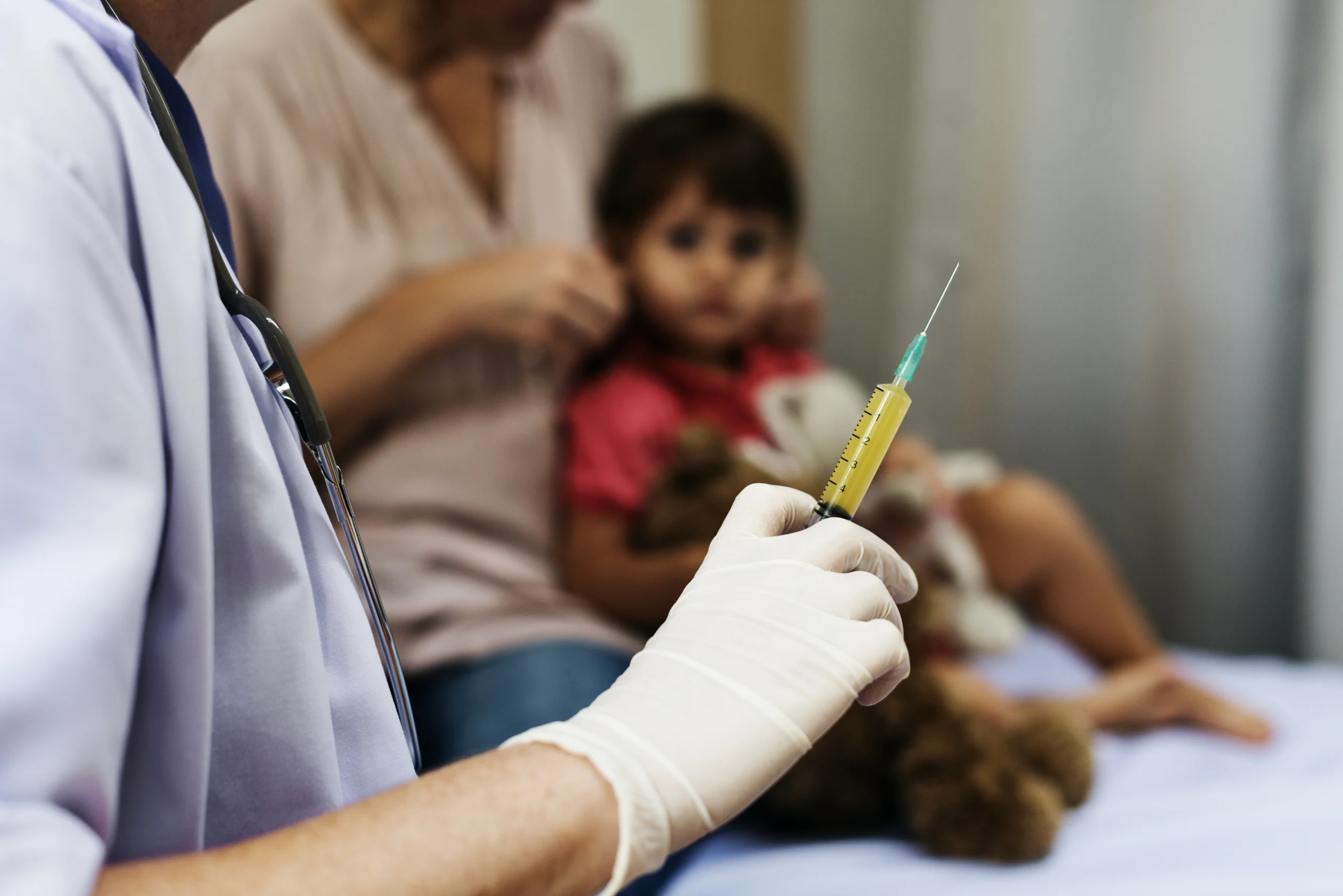
Vaccination is one of the most important steps parents can take to protect their child’s health. From the first few hours after birth through adolescence, vaccines help prevent serious infections that once caused widespread illness, disability, and even death among children.
For many new parents, however, the child vaccination schedule in Jaunpur can seem overwhelming. There are multiple vaccines, different age milestones, booster doses, and sometimes additional vaccines recommended by pediatricians. It is natural to have questions about when each vaccine is given, why it is needed, and what to do if a dose is missed.
This complete guide explains the child vaccination schedule, the importance of each stage of immunization, common side effects, and when to consult a pediatrician. Families in Jaunpur can also seek personalized vaccination advice from Dr. Abhishek Mishra, an experienced pediatrician at Om Sai Bal Chikitsalaya, where comprehensive child healthcare and immunization services are available.
Why Childhood Vaccination Is So Important
Vaccines train the immune system to recognize and fight specific infections before a child is exposed to them naturally. Instead of waiting for a disease to occur, vaccination helps the body build protection in advance.
Routine childhood immunization protects against several serious diseases, including tuberculosis, polio, diphtheria, pertussis (whooping cough), tetanus, hepatitis B, measles, rubella, and other vaccine-preventable illnesses.
The benefits of vaccination extend beyond the individual child. When more children are vaccinated, the spread of infectious diseases within the community is reduced, helping protect infants and others who may be more vulnerable to infection.
Following the recommended child immunization schedule is therefore an important part of preventive pediatric healthcare.
What Is a Child Vaccination Schedule?
A child vaccination schedule is a timeline that shows the age at which different vaccines should be given.
The schedule is designed around several factors:
- When babies are most vulnerable to certain diseases.
- How the immune system develops with age.
- The number of doses required to build lasting protection.
- The timing of booster doses needed to maintain immunity.
In India, the Government of India’s National Immunization Schedule provides the routine vaccination timeline followed through public health programs. Pediatricians may also discuss additional vaccines based on current medical recommendations, a child’s health, travel plans, or individual risk factors.
Child Vaccination Schedule From Birth to Adolescence
The following is a simplified overview of the routine vaccination timeline in India. Parents should always maintain their child’s vaccination card and follow the schedule advised by their pediatrician.
| Age | Common Routine Vaccines |
|---|
| At Birth | BCG, Hepatitis B birth dose, Oral Polio Vaccine (OPV) |
| 6 Weeks | OPV, Pentavalent vaccine, Rotavirus vaccine, Pneumococcal vaccine, IPV |
| 10 Weeks | OPV, Pentavalent vaccine, Rotavirus vaccine |
| 14 Weeks | OPV, Pentavalent vaccine, Rotavirus vaccine, Pneumococcal vaccine, IPV |
| 9–12 Months | Measles-Rubella (MR), Pneumococcal booster, Japanese Encephalitis in applicable areas |
| 16–24 Months | DPT booster, OPV booster, MR second dose, Japanese Encephalitis second dose where applicable |
| 5–6 Years | DPT booster |
| 10 Years | Td vaccine |
| 16 Years | Td vaccine |
This table provides a general overview. Your pediatrician may recommend additional vaccines or adjust the timing if your child has missed doses or has specific medical needs.
Understanding the Important Vaccines
BCG Vaccine
The BCG vaccine is given soon after birth. It helps protect children against severe forms of tuberculosis, particularly tuberculosis affecting the brain and other serious forms in young children.
Hepatitis B Vaccine
Hepatitis B is a viral infection that affects the liver. The first dose is given at birth, followed by additional doses as part of the routine vaccination schedule.
Polio Vaccines
India has successfully eliminated wild poliovirus transmission, but vaccination continues to protect children from the disease.
Children receive oral polio vaccine (OPV) and injectable polio vaccine (IPV) according to the immunization schedule.
Pentavalent Vaccine
This combination vaccine protects against five diseases:
- Diphtheria
- Pertussis
- Tetanus
- Hepatitis B
- Haemophilus influenzae type b (Hib)
Using a combination vaccine reduces the number of injections required.
Rotavirus Vaccine
Rotavirus is a common cause of severe diarrhea and dehydration in infants. Vaccination helps reduce the risk of serious illness that may require hospitalization.
Pneumococcal Vaccine
This vaccine protects against infections caused by pneumococcal bacteria, including pneumonia, meningitis, and bloodstream infections.
Measles-Rubella (MR) Vaccine
Measles can cause severe complications in children, while rubella can be particularly dangerous during pregnancy. Vaccination protects children and also helps reduce the spread of these infections in the community.
DPT Booster
Booster doses are given because protection from some vaccines gradually decreases over time. The DPT booster helps maintain immunity against diphtheria, pertussis, and tetanus.
Td Vaccine
The Td vaccine protects against tetanus and diphtheria during later childhood and adolescence.
Government Schedule and Additional Vaccines
Parents often hear about vaccines that are not always included in every routine public health schedule. These may include vaccines against:
- Influenza
- Chickenpox (Varicella)
- Hepatitis A
- Typhoid
- HPV (Human Papillomavirus)
- Meningococcal disease in selected situations
These vaccines may be recommended depending on a child’s age, medical history, lifestyle, travel, or individual risk factors.
During a consultation, Dr. Abhishek Mishra can help parents understand which vaccines are part of the routine schedule and whether any additional vaccines may be appropriate for their child.
What If My Child Misses a Vaccine?
Missing a vaccination appointment is common and usually does not mean the entire schedule must be restarted.
In most cases, the pediatrician will create a catch-up vaccination schedule based on:
- Your child’s current age
- Which vaccines have already been received
- The time since the last dose
Parents should bring the child’s vaccination card to the appointment so the doctor can determine the appropriate next steps.
It is generally better to resume vaccination as soon as possible rather than delaying further.
Are Vaccines Safe?
Vaccines used in routine childhood immunization undergo extensive testing before they are approved for use. Like any medical intervention, vaccines can cause side effects, but these are usually mild and temporary.
Common side effects include:
- Mild fever
- Pain or redness at the injection site
- Temporary fussiness
- Tiredness
- Reduced appetite for a short period
These symptoms usually improve within a day or two.
Parents should contact a pediatrician promptly if their child develops:
- Difficulty breathing
- Severe allergic reaction
- Persistent high fever
- Unusual lethargy
- Continuous crying that does not settle
- Any symptom that causes concern after vaccination
Serious reactions are uncommon, but parents should know when to seek medical advice.
How Parents Can Prepare for Vaccination Day
A little preparation can make vaccination day easier for both the child and the parents.
Before the Appointment
- Carry the vaccination card.
- Note any previous reactions to vaccines.
- Tell the doctor if your child is unwell or has any ongoing medical condition.
- Dress infants in clothing that allows easy access to the arm or thigh.
After Vaccination
- Comfort and cuddle your child.
- Continue breastfeeding or feeding as usual.
- Keep an eye on your child for any unusual symptoms.
- Follow the pediatrician’s advice if your child develops fever or discomfort.
Most children return to their normal activities quickly.
When Should Parents Consult a Pediatrician About Vaccination?
Parents should seek advice from a pediatrician if:
- They are unsure which vaccines are due.
- The vaccination card has been lost.
- A child has missed one or more doses.
- The child had a previous reaction to a vaccine.
- The child has a chronic medical condition.
- They are planning international travel.
- They have concerns about vaccine safety or side effects.
A pediatric consultation can help parents make informed decisions based on their child’s individual health needs.
Why Choose Dr. Abhishek Mishra for Child Vaccination in Jaunpur?
When it comes to your child’s health, having an experienced pediatrician to guide you through vaccinations and routine healthcare is reassuring.
Dr. Abhishek Mishra has more than 20 years of experience in pediatric medicine and is known for his patient-centered approach to children’s healthcare.
His qualifications include:
- M.B.B.S.
- D.C.H.
- M.I.A.P.
- P.G.P.N. – Boston University (USA)
- Ex. Senior Resident, SDN Hospital, New Delhi
At Om Sai Bal Chikitsalaya, Dr. Abhishek Mishra provides comprehensive pediatric care, including:
- Routine child vaccination
- Newborn care
- NICU support
- Growth and development monitoring
- Child nutrition guidance
- Treatment of common childhood illnesses
- Pediatric emergency care
- Preventive health check-ups
Parents searching for the best pediatrician in Jaunpur often value not only medical expertise but also clear communication and compassionate care. Dr. Abhishek Mishra focuses on helping families understand their child’s health needs and the importance of preventive healthcare.
Final Thoughts
The child vaccination schedule in Jaunpur is one of the most important preventive healthcare plans your child will follow. By keeping vaccinations up to date, maintaining the vaccination card, and discussing any questions with a qualified pediatrician, parents can help protect their children from many serious but preventable diseases.
If you are unsure whether your child is due for a vaccine, has missed a dose, or you simply want to understand the vaccination schedule better, consult an experienced pediatrician rather than relying on incomplete information.
For families seeking trusted pediatric care and vaccination guidance in Jaunpur, Dr. Abhishek Mishra at Om Sai Bal Chikitsalaya offers comprehensive child healthcare from newborn care through adolescence, with a strong focus on prevention, safety, and long-term well-being.
Frequently Asked Questions
1. What is the child vaccination schedule in Jaunpur?
The child vaccination schedule in Jaunpur begins at birth with vaccines such as BCG, Hepatitis B, and polio, followed by scheduled doses during infancy, booster doses in early childhood, and Td vaccines during adolescence.
2. What should I do if my child misses a vaccine?
Do not restart the entire schedule. Take your child’s vaccination card to a pediatrician, who can prepare a catch-up vaccination plan based on your child’s age and previous doses.
3. Are vaccines safe for children?
Yes. Routine childhood vaccines are extensively tested before approval. Most side effects, such as mild fever or soreness at the injection site, are temporary.
4. Can my child be vaccinated if they have a mild cold?
In many cases, a mild cold without significant illness does not prevent vaccination. However, parents should inform the pediatrician about any symptoms before the appointment.
5. Does my child need vaccines that are not included in the routine government schedule?
Some children may benefit from additional vaccines, such as influenza, chickenpox, hepatitis A, typhoid, or HPV vaccines. Your pediatrician can recommend these based on your child’s age and health needs.
6. Where can I get child vaccination advice in Jaunpur?
Parents in Jaunpur and nearby areas can consult Dr. Abhishek Mishra at Om Sai Bal Chikitsalaya for routine immunization, catch-up vaccination, and comprehensive pediatric healthcare.
Disclaimer:
The information provided in this article is for educational and informational purposes only and is not a substitute for professional medical advice, diagnosis, or treatment. Always consult a qualified healthcare provider