A child’s forehead feels hot. The thermometer shows 102°F. Suddenly, every parent starts asking the same questions: Is this just a viral infection? Should I give medicine? How long should I wait? Does my child need to see a doctor?
Fever is one of the most common reasons children are brought to a pediatrician. In many cases, it is the body’s natural response to an infection and settles with supportive care. But fever can sometimes accompany illnesses that need medical evaluation, particularly in young infants or when other warning signs appear.
For parents searching for child fever treatment in Jaunpur, knowing when to monitor and when to seek help is just as important as knowing how to bring down a temperature.
At Om Sai Bal Chikitsalaya, Dr. Abhishek Mishra provides pediatric consultations and emergency care for newborns, infants, children, and adolescents. With more than 20 years of pediatric experience, he helps families understand the cause of fever rather than simply focusing on the number shown on the thermometer.
What Is Fever in Children?
Fever is not a disease by itself. It is a symptom that often occurs when the body’s immune system responds to an infection.
A temperature of 38°C (100.4°F) or higher is generally considered a fever. The method of measuring temperature matters, particularly in infants, so parents should use an appropriate digital thermometer rather than relying only on how warm the child’s forehead feels.
Common causes include:
- Viral respiratory infections
- Flu and other viral illnesses
- Ear infections
- Throat infections
- Urinary tract infections
- Gastrointestinal infections
- Pneumonia
- Some bacterial infections
- Fever following certain vaccinations
During monsoon and seasonal changes in Jaunpur, children may also encounter infections associated with mosquitoes, contaminated food or water, and increased circulation of respiratory viruses.
The important thing is to look at the whole child, not just the temperature.
A child with a fever who is drinking fluids, interacting, and becoming more comfortable as the illness improves may be less concerning than a child with a lower fever who is unusually sleepy, struggling to breathe, or not responding normally. The American Academy of Pediatrics emphasizes that a child’s overall condition and behavior are important when deciding how urgently they need care.
Common Causes of Fever in Children
Viral Infections
Viruses are among the most common causes of childhood fever. A child may also have:
- Runny nose
- Cough
- Sore throat
- Body aches
- Tiredness
- Reduced appetite
Many uncomplicated viral illnesses improve over several days with rest, fluids, and supportive care.
Bacterial Infections
Fever can also occur with bacterial infections such as certain ear infections, urinary tract infections, throat infections, or pneumonia.
A pediatrician may need to examine the child and, depending on the symptoms, recommend testing to identify the cause.
Antibiotics should not be started on your own. They are not effective against viral infections, and inappropriate antibiotic use can contribute to antibiotic resistance.
Stomach Infections
Fever accompanied by vomiting or diarrhea can occur with gastrointestinal infections.
The biggest concern in young children is often dehydration. Parents should watch for reduced urination, dry mouth, absence of tears, unusual sleepiness, or difficulty keeping fluids down.
When Is a Child’s Fever Serious?
The temperature itself is only part of the picture.
Parents should seek medical advice promptly if fever is accompanied by:
- Difficulty breathing
- Extreme sleepiness or difficulty waking
- Confusion or unusual behavior
- Severe headache or stiff neck
- Repeated vomiting
- Severe abdominal pain
- Signs of dehydration
- A concerning or unexplained rash
- A seizure
- Persistent worsening of the child’s condition
- Fever that repeatedly reaches 40°C (104°F) or higher
These symptoms can indicate that the child needs urgent medical assessment.
Fever in Babies: When Should Parents Be Extra Careful?
Fever deserves particular attention in very young babies.
If a baby younger than 3 months has a temperature of 38°C (100.4°F) or higher, parents should contact a pediatrician immediately for medical assessment, even if the baby otherwise appears relatively well. Young infants can develop serious infections quickly, and their symptoms may be subtle.
Parents should also seek medical advice promptly if a young baby:
- Is feeding poorly
- Is unusually sleepy
- Has difficulty breathing
- Has fewer wet diapers
- Is repeatedly vomiting
- Is difficult to wake
- Behaves very differently from usual
Don’t wait for the fever to become “very high” before getting advice in a young infant.
How to Check Your Child’s Temperature Correctly
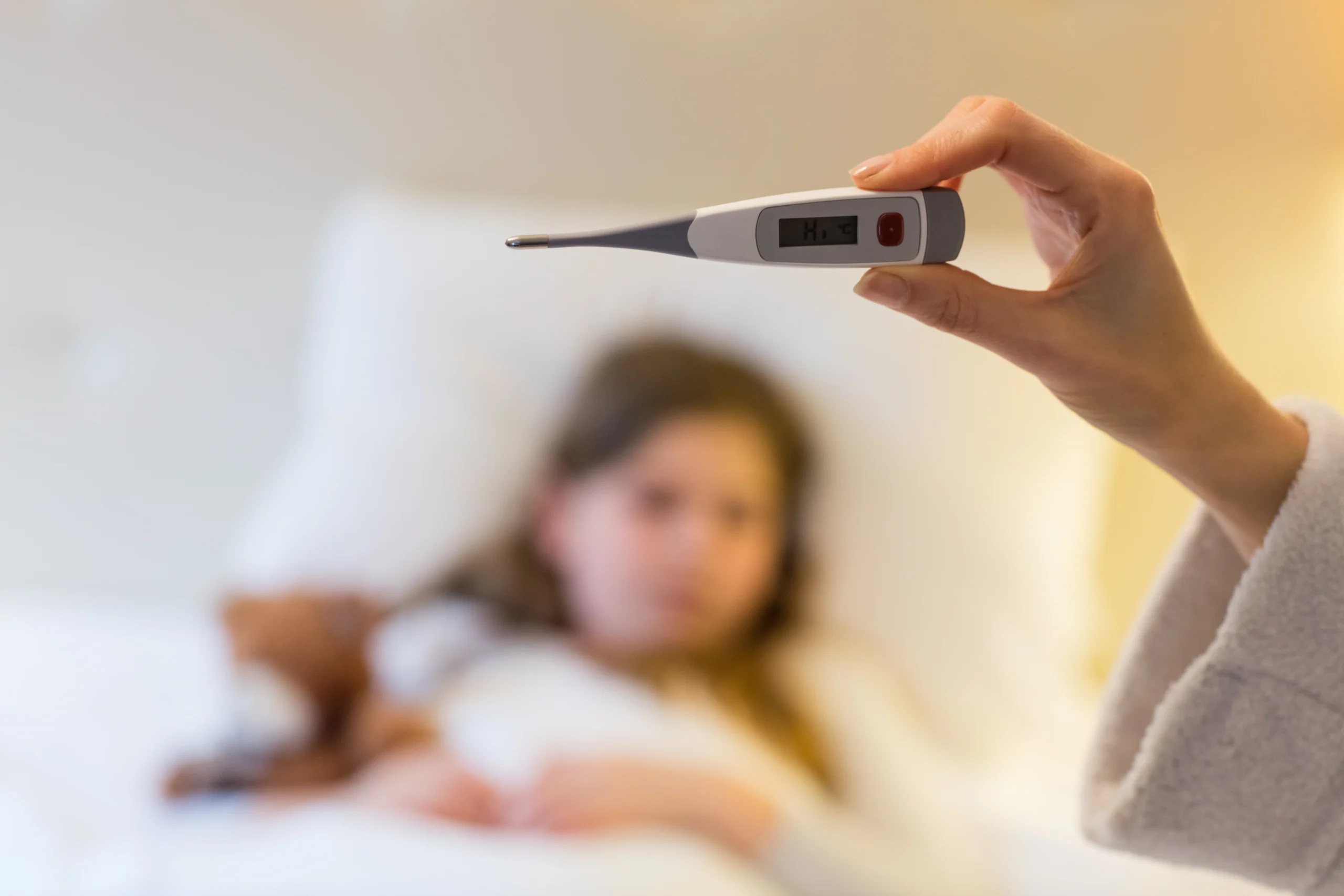
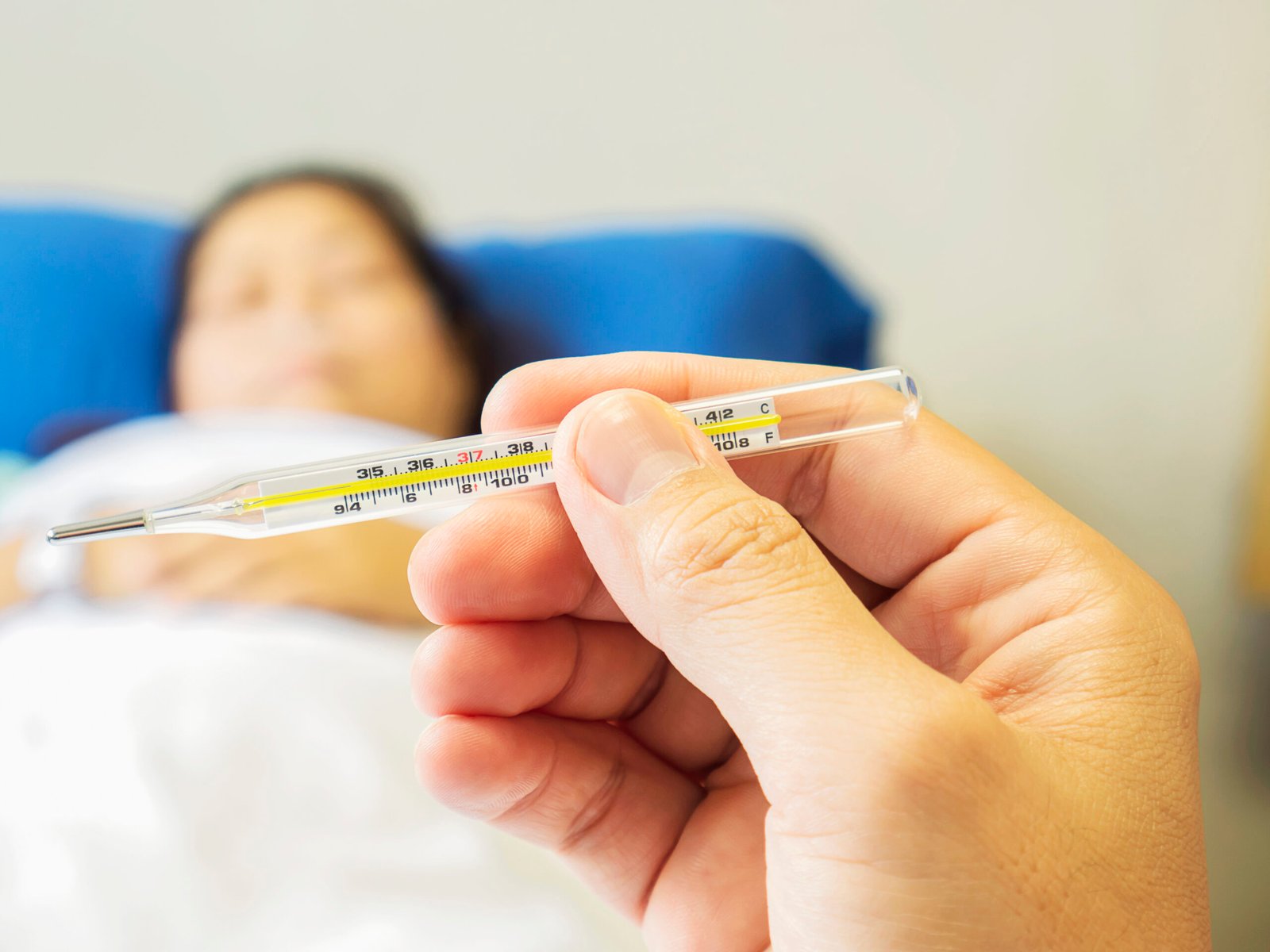
When you suspect fever, use a digital thermometer.
Feeling the forehead with your hand can tell you that your child feels warm, but it cannot reliably confirm a fever. Fever strips and similar methods are also not considered reliable.
Record:
Temperature + Time + Method of measurement + Other symptoms
This simple information can be extremely useful when speaking with a pediatrician.
For example:
“My 4-year-old had a temperature of 102.2°F at 8 PM, measured with a digital thermometer, along with cough and reduced appetite.”
That’s much more useful than simply saying, “My child has a high fever.”
What Can Parents Do at Home?
If your child has a mild illness and is otherwise alert and drinking adequately, supportive care may be appropriate while monitoring symptoms.
Keep Your Child Hydrated
Offer fluids regularly. Breastfed babies should continue breastfeeding as usual. If vomiting or diarrhea is present, ask your pediatrician about appropriate fluid replacement.
Encourage Rest
Children often need more sleep and quiet time while recovering.
Offer Food as Tolerated
Don’t force a child to eat. If they are hungry, offer familiar, easy-to-tolerate foods.
Keep Clothing Comfortable
Avoid wrapping a feverish child in excessive clothing or blankets. The NHS also advises against using cold baths or excessive cooling measures to bring down a temperature.
Use Fever Medicine Carefully
If your child is uncomfortable, a pediatrician or other qualified healthcare professional can advise whether a fever-reducing medicine is appropriate and what dose is suitable for the child’s age and weight.
Do not guess the dose, combine medicines unnecessarily, or give aspirin to children.
When Should You Visit a Pediatrician for Fever?
You don’t need to wait until a child looks extremely sick before asking for medical advice.
A pediatric consultation is appropriate when:
- Fever keeps returning
- Your child is getting worse rather than better
- Fever persists beyond the expected course
- Your child has significant pain
- There is persistent vomiting or diarrhea
- Your child isn’t drinking adequately
- You notice reduced urination
- Your child develops a rash
- Your child has an underlying medical condition
- You are simply concerned about your child’s condition
For children under 2 years, the AAP advises contacting a doctor when fever persists for more than 24 hours; for children aged 2 years and older, medical advice is recommended when fever lasts more than 3 days. Individual circumstances can change the appropriate timing, so parents should seek advice sooner if their child looks or acts unwell.
Child Fever Treatment in Jaunpur: Why Proper Diagnosis Matters
Parents understandably want the fever to disappear quickly. But fever is a symptom, not the underlying illness.
The goal of pediatric care is to determine why the child has a fever and whether additional treatment or testing is needed.
Depending on the symptoms, a pediatrician may evaluate:
- Throat and ears
- Breathing and lungs
- Hydration
- Abdomen
- Urinary symptoms
- Skin and rash
- Recent infections or exposures
- Vaccination history
- Duration and pattern of fever
Additional tests may be recommended when clinically appropriate.
This is why self-medicating repeatedly without understanding the cause can sometimes delay appropriate treatment.
Why Choose Dr. Abhishek Mishra – Pediatrician in Jaunpur?
When your child has a fever, experience matters—but so does careful listening.
Dr. Abhishek Mishra is an experienced pediatrician at Om Sai Bal Chikitsalaya, with more than 20 years of experience in child healthcare.
His qualifications include:
- M.B.B.S.
- D.C.H.
- M.I.A.P.
- P.G.P.N. – Boston University, USA
- Ex. Senior Resident, SDN Hospital, New Delhi
For families searching for the best pediatrician in Jaunpur, Dr. Mishra provides comprehensive care for newborns, infants, children, and adolescents.
Om Sai Bal Chikitsalaya offers:
- Pediatric consultations
- Newborn and neonatal care
- NICU services
- Vaccination and immunization
- Child growth monitoring
- Nutrition guidance
- Treatment of childhood illnesses
- 24/7 pediatric emergency care
The focus is not simply on treating a fever. It is on understanding the child behind the symptom.
Final Thoughts
A fever can make any parent nervous. But the number on the thermometer is only one piece of the puzzle.
Pay attention to your child’s behavior, breathing, hydration, feeding, alertness, and other symptoms. A mild fever in a child who is otherwise comfortable can be very different from a fever accompanied by breathing difficulty, severe dehydration, unusual drowsiness, seizures, or other warning signs.
And remember one particularly important rule: a temperature of 38°C (100.4°F) or higher in a baby younger than 3 months requires prompt medical assessment.
If you’re looking for child fever treatment in Jaunpur, Dr. Abhishek Mishra and the team at Om Sai Bal Chikitsalaya provide pediatric consultations and 24/7 emergency care to help families make informed decisions when their child is unwell.
Frequently Asked Questions
1. What temperature is considered a fever in children?
A temperature of 38°C (100.4°F) or higher is generally considered a fever. The appropriate measurement method varies with age, so parents should use a reliable digital thermometer and discuss concerns with a pediatrician when needed.
2. When should I take my baby to a doctor for fever?
A baby younger than 3 months with a temperature of 38°C (100.4°F) or higher should be medically assessed promptly. Young infants can develop serious infections quickly, even when other symptoms are not obvious.
3. How long can a child’s fever last before seeing a pediatrician?
The duration depends on the child’s age, symptoms, and cause. As general guidance, the AAP recommends contacting a doctor if fever lasts more than 24 hours in children younger than 2 years or more than 3 days in children aged 2 years and older. Seek care sooner if your child is worsening or has concerning symptoms.
4. What are the warning signs of serious fever in children?
Seek urgent medical attention if fever occurs with difficulty breathing, severe dehydration, a seizure, stiff neck, extreme sleepiness or difficulty waking, confusion, repeated vomiting, or a concerning rash.
5. Should I give my child medicine for every fever?
Not necessarily. Fever is a symptom of illness, and treatment decisions should consider the child’s age, symptoms, comfort, weight, and medical history. Speak with a pediatrician or healthcare professional about appropriate medicines and dosing rather than guessing.
6. Where can I get child fever treatment in Jaunpur?
Parents looking for child fever treatment in Jaunpur can consult Dr. Abhishek Mishra at Om Sai Bal Chikitsalaya, located at Ruhatta Polytechnic Chauraha–Olandganj Road, Jaunpur. The hospital provides pediatric consultations and 24/7 emergency pediatric care.
Disclaimer:
The information provided in this article is for educational and informational purposes only and is not a substitute for professional medical advice, diagnosis, or treatment. Always consult a qualified healthcare provider