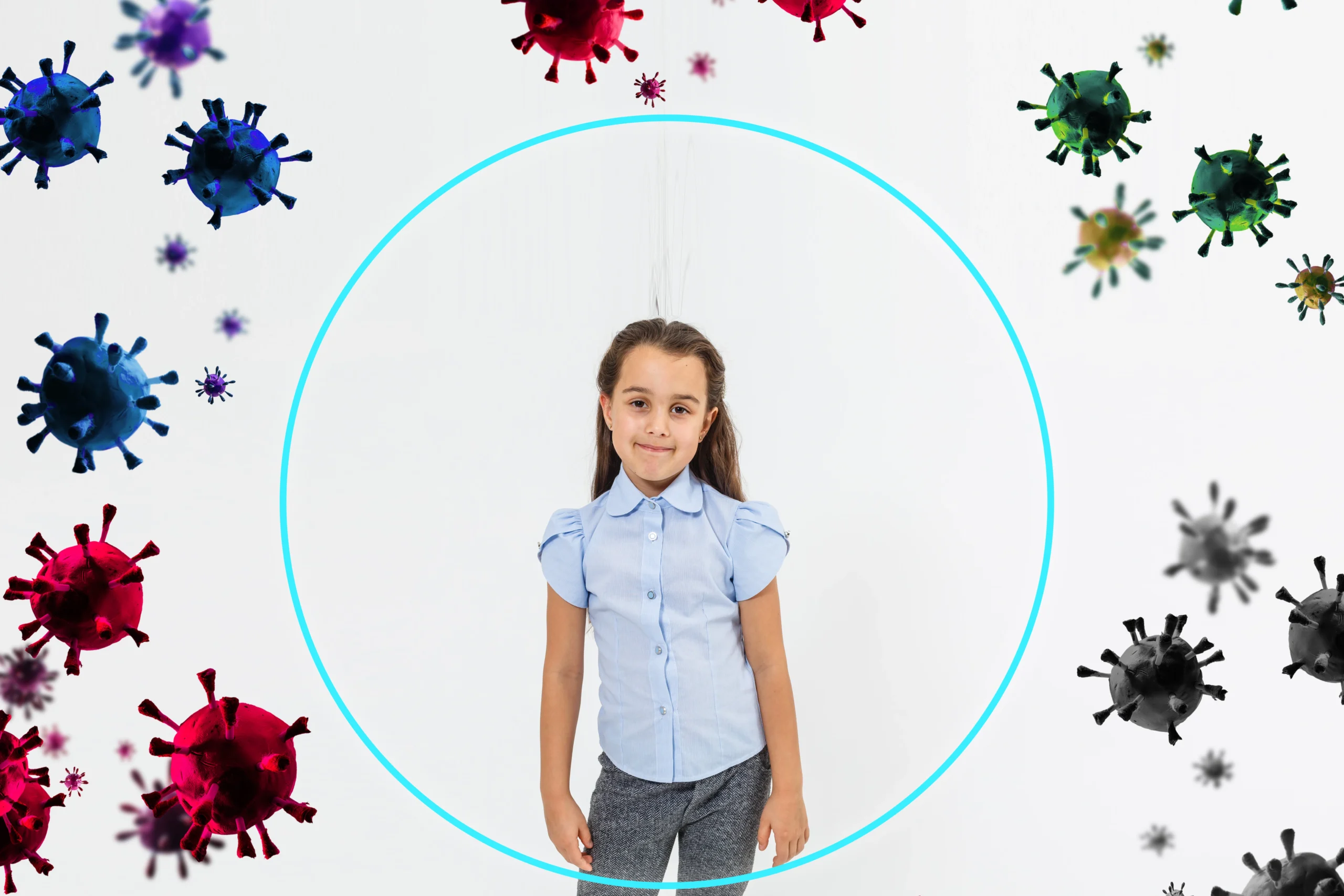
Every parent wants their child to stay healthy, active, and protected from infections. Yet, during childhood, coughs, colds, fever, stomach infections, and other illnesses are common. This can leave parents wondering: How can I boost my child’s immunity naturally?
The answer isn’t one particular food, supplement, or home remedy. A child’s immune system develops over time and depends on several factors, including nutrition, sleep, physical activity, hygiene, vaccination, and overall health.
For parents in Jaunpur, understanding these basics can make everyday child care much easier. Dr. Abhishek Mishra, an experienced pediatrician at Om Sai Bal Chikitsalaya, recommends focusing on healthy routines rather than looking for a quick “immunity booster.”
This guide explains practical, evidence-based ways to support your child’s immune health and also highlights when frequent infections may require advice from a pediatrician in Jaunpur.
What Does “Strong Immunity” Actually Mean?
The immune system is the body’s natural defense network. It includes cells, tissues, organs, and biological processes that help recognize and respond to harmful microorganisms.
A healthy immune system does not mean that a child will never get sick.
In fact, young children commonly experience respiratory and gastrointestinal infections as they encounter new viruses and bacteria. Occasional illness does not automatically indicate “weak immunity.”
Instead, parents should focus on supporting overall health through:
- A balanced and varied diet
- Adequate sleep
- Regular physical activity
- Good hygiene
- Appropriate vaccination
- Proper hydration
- Healthy growth and development
- Regular pediatric check-ups
Think of immunity less like a switch you can turn on and more like a system that needs consistent care.
10 Natural Ways to Support Child Immunity
1. Give Your Child a Balanced Diet
Nutrition is one of the foundations of healthy immune function.
Children need a variety of nutrients to support growth, development, and normal immune responses. Instead of concentrating on one “superfood,” aim for variety throughout the week.
Include foods from different groups, such as:
- Vegetables
- Seasonal fruits
- Whole grains
- Pulses and legumes
- Milk and dairy products, when appropriate
- Eggs
- Fish, meat, or other protein sources
- Nuts and seeds, when age-appropriate and safe
A colourful plate often provides a wider range of nutrients than a meal built around only one or two foods.
2. Include Protein-Rich Foods
Protein plays an important role in growth and tissue maintenance and supports many functions of the immune system.
Depending on your child’s age and dietary preferences, good protein sources may include:
- Dal
- Beans
- Chickpeas
- Paneer
- Curd
- Eggs
- Fish
- Chicken
- Meat
- Nuts and seeds
For younger children, foods should be prepared in an age-appropriate texture to reduce choking risks.
If your child is a picky eater or has poor weight gain, speak with a pediatrician before starting supplements or making major dietary changes.
3. Encourage Fruits and Vegetables
Fruits and vegetables provide vitamins, minerals, fibre, and other beneficial plant compounds.
Try offering different seasonal options rather than repeatedly serving the same food.
For children in Jaunpur, locally available seasonal produce can be an easy and affordable part of a healthy diet.
You don’t have to turn every meal into a negotiation.
Offer variety, keep portions age-appropriate, and allow children time to develop their food preferences.
4. Make Sleep a Priority
Sleep is essential for children’s physical and mental development, and healthy sleep habits are also important for normal immune function.
Children need different amounts of sleep depending on their age. Toddlers generally require substantially more sleep than school-age children, while teenagers still need more sleep than most adults.
Create a predictable bedtime routine:
- Keep bedtime consistent.
- Reduce stimulating activities before bed.
- Keep screens away from bedtime when possible.
- Make the bedroom comfortable and quiet.
- Encourage relaxing activities such as reading.
If your child snores heavily, has unusual breathing during sleep, or consistently struggles to sleep, discuss the problem with a pediatrician.
5. Encourage Regular Physical Activity
Children are naturally designed to move.
Running, cycling, dancing, playing sports, climbing, and simply playing outdoors all contribute to physical fitness and healthy development.
Regular physical activity supports:
- Healthy weight
- Muscle and bone development
- Cardiovascular health
- Sleep
- Mental well-being
- Overall physical health
Instead of making exercise feel like another task, make movement part of family life.
A short evening walk, outdoor game, or visit to a nearby park can be more valuable than another hour sitting with a screen.
6. Keep Children Hydrated
Water is essential for normal body functions.
Encourage children to drink adequate fluids throughout the day, particularly during hot weather, physical activity, fever, vomiting, or diarrhea.
Depending on age and circumstances, fluids may include water, breast milk, milk, and other appropriate beverages.
Avoid relying heavily on sugary drinks, packaged juices, or soft drinks.
If your child has vomiting or diarrhea, dehydration can develop quickly, especially in infants and young children. Signs such as reduced urination, unusual sleepiness, dry mouth, or inability to keep fluids down require medical attention.
7. Teach Good Hand Hygiene
Good hygiene is one of the simplest ways to reduce the spread of infections.
Teach children to wash their hands:
- Before eating
- After using the toilet
- After playing outdoors
- After coughing or sneezing
- After touching potentially dirty surfaces
Teach children to use soap and water and wash thoroughly rather than simply rinsing their hands for a few seconds.
During school days, playground visits, and monsoon season, these habits become especially important.
8. Encourage Outdoor Play and Healthy Routines
Outdoor play gives children opportunities to move, explore, socialize, and develop physical skills.
Children don’t need expensive equipment or complicated activities. A ball, bicycle, playground, or simple family game can provide plenty of movement.
At the same time, balance outdoor activity with weather conditions. During extreme heat, heavy rain, poor air quality, or other unsafe conditions, choose an appropriate indoor activity.
The goal is consistency—not perfection.
9. Keep Vaccinations Up to Date
Vaccination is one of the most effective ways to protect children from specific infectious diseases.
Vaccines work by helping the immune system develop protection against particular infections. They are different from foods or supplements marketed as general “immunity boosters.”
Parents should maintain their child’s vaccination card and follow the recommended immunization schedule.
If your child has missed a vaccine, don’t panic. Speak with your pediatrician about an appropriate catch-up schedule.
At Om Sai Bal Chikitsalaya, Dr. Abhishek Mishra provides vaccination guidance along with routine pediatric care for children in Jaunpur and surrounding areas.
10. Support Breastfeeding in Infancy
For babies, breastfeeding provides important nutrients and immune-related components.
When possible and medically appropriate, exclusive breastfeeding is generally recommended for about the first six months of life, followed by complementary foods alongside continued breastfeeding.
Parents should discuss feeding concerns with their pediatrician, particularly if a baby has difficulty feeding, poor weight gain, persistent vomiting, or other health concerns.
Which Foods Help Support Child Immunity?
Parents often search for a single “immunity-boosting food.” In reality, healthy immune function depends on overall nutrition rather than one ingredient.
A balanced diet can include:
| Food Group | Examples |
|---|
| Fruits | Guava, banana, papaya, orange, apple, seasonal fruits |
| Vegetables | Carrot, spinach, pumpkin, peas, beans |
| Protein | Dal, beans, eggs, paneer, fish, chicken |
| Whole Grains | Oats, whole wheat, millet, brown rice |
| Healthy Fats | Nuts, seeds, suitable cooking oils |
| Dairy | Milk, curd, paneer when appropriate |
The right diet depends on the child’s age, nutritional requirements, allergies, preferences, and health status.
Do Immunity-Boosting Supplements Really Work?
This is where parents need to be cautious.
Products marketed as “immunity boosters” can include vitamins, herbal preparations, tonics, powders, or other supplements. Some children with a genuine nutritional deficiency may require supplementation, but that does not mean every healthy child needs an immunity supplement.
Giving unnecessary supplements can sometimes cause harm, particularly when certain nutrients are taken in excessive amounts.
Don’t start vitamin, mineral, herbal, or other supplements solely because your child gets occasional colds.
If you’re concerned about your child’s nutrition, growth, appetite, or recurrent infections, consult a qualified pediatrician.
Does Frequent Illness Mean My Child Has Low Immunity?
Not necessarily.
Young children can experience several respiratory infections each year, particularly when they start daycare or school and encounter many new germs.
However, parents should discuss the pattern with a pediatrician if infections are:
- Unusually severe
- Very frequent
- Repeatedly requiring hospitalization
- Associated with poor growth
- Difficult to treat
- Accompanied by persistent symptoms between infections
A doctor can review your child’s medical history, growth, nutrition, vaccination status, and infection pattern before deciding whether further evaluation is necessary.
When Should You See a Pediatrician?
Healthy habits are important, but they aren’t a substitute for medical care when a child is sick.
Seek pediatric advice if your child has:
- Persistent or high fever
- Difficulty breathing
- Severe or persistent vomiting
- Frequent diarrhea
- Signs of dehydration
- Poor feeding in a newborn
- Unexplained weight loss or poor growth
- Recurrent severe infections
- Persistent fatigue
- Developmental concerns
- A significant change in behaviour or activity
If symptoms appear severe or life-threatening, seek urgent medical care rather than relying on home remedies.
Why Choose Dr. Abhishek Mishra – Pediatrician in Jaunpur?
For parents searching for the best pediatrician in Jaunpur, experience, qualifications, communication, and access to appropriate pediatric facilities all matter.
Dr. Abhishek Mishra has more than 20 years of experience in pediatric healthcare and provides comprehensive care for newborns, infants, children, and adolescents at Om Sai Bal Chikitsalaya.
His Qualifications Include:
- M.B.B.S.
- D.C.H.
- M.I.A.P.
- P.G.P.N. – Boston University, USA
- Ex. Senior Resident, SDN Hospital, New Delhi
At Om Sai Bal Chikitsalaya, parents can access:
- Pediatric consultations
- Newborn care
- NICU services
- Vaccination and immunization
- Child growth monitoring
- Nutrition guidance
- Treatment of childhood illnesses
- 24/7 pediatric emergency care
Rather than focusing on quick fixes, the goal is to help parents build sustainable habits that support their child’s health and development.
Pediatric Care for Families in Jaunpur and Nearby Areas
Om Sai Bal Chikitsalaya serves families in Jaunpur and surrounding areas, including Shahganj, Kerakat, Mariahu, Machhlishahr, Badlapur, Mungra Badshahpur, Azamgarh, Sultanpur, Ghazipur, Mirzapur, Bhadohi, Varanasi, and Ayodhya.
For families in these areas, regular pediatric care can help monitor growth, nutrition, development, vaccination, and overall well-being.
Final Thoughts
If you’re wondering how to boost child immunity naturally, start with the basics.
A nutritious and varied diet. Enough sleep. Regular physical activity. Good hygiene. Adequate hydration. Age-appropriate breastfeeding and complementary feeding. And, importantly, recommended vaccinations.
There is no magic food that can make a child immune to every infection. Healthy immunity is built through consistent care and a healthy lifestyle—not overnight.
And remember, children getting occasional infections does not automatically mean they have weak immunity. What matters is the overall pattern of illness, growth, development, nutrition, and recovery.
If your child is frequently unwell, isn’t growing as expected, or develops concerning symptoms, speak with an experienced pediatrician in Jaunpur rather than relying solely on home remedies or supplements.
At Om Sai Bal Chikitsalaya, Dr. Abhishek Mishra and the pediatric care team are committed to helping families make informed decisions about nutrition, preventive healthcare, vaccination, and their child’s long-term well-being.
Frequently Asked Questions
1. How can I boost my child’s immunity naturally?
You cannot make a child’s immune system “strong” overnight. Support healthy immune function through a balanced diet, adequate sleep, regular physical activity, good hygiene, hydration, age-appropriate feeding, and recommended vaccinations.
2. Which foods are best for child immunity?
There is no single food that prevents childhood infections. A varied diet containing fruits, vegetables, whole grains, pulses, dairy or suitable alternatives, eggs, and other age-appropriate protein sources can provide nutrients needed for healthy growth and normal immune function.
3. Does vitamin C increase immunity in children?
Vitamin C is an essential nutrient that supports normal immune function, but giving extra vitamin C does not automatically prevent infections in otherwise healthy children. Children should generally obtain nutrients through a balanced diet, with supplements used when medically indicated.
4. Should I give my child immunity-boosting supplements?
Not routinely. Some children may need supplements because of a nutritional deficiency or specific medical need, but unnecessary supplementation can be harmful. Consult a pediatrician before giving your child vitamin, mineral, herbal, or other supplements.
5. When should I consult a pediatrician about my child’s immunity?
Speak with a pediatrician if your child has unusually frequent or severe infections, poor growth, persistent symptoms, repeated hospitalizations, difficulty feeding, or other health concerns. A pediatrician can evaluate the overall pattern rather than assuming every infection is due to weak immunity.
6. Where can I consult a pediatrician for child immunity and nutrition in Jaunpur?
Parents can consult Dr. Abhishek Mishra at Om Sai Bal Chikitsalaya, Ruhatta Polytechnic Chauraha–Olandganj Road, Jaunpur. The hospital provides pediatric consultations, vaccination, newborn care, NICU services, nutrition guidance, and 24/7 pediatric emergency care.
Disclaimer:
The information provided in this article is for educational and informational purposes only and is not a substitute for professional medical advice, diagnosis, or treatment. Always consult a qualified healthcare provider